

Dental

Professional Teeth Whitening vs. Home Remedies: Which Works Better?

Have you ever looked at an old photo and noticed your smile used to look significantly brighter? You aren’t alone. Over time, everyday habits—like sipping morning coffee, enjoying a glass of red wine, or simply getting older—can leave teeth looking dull, yellow, or stained. When searching for a brighter smile, you’ll encounter two main paths: DIY home remedies (from baking soda to charcoal) and professional dental whitening. So, which path should you choose? Let’s break down how stains happen, what home remedies actually do, and why professional treatment remains the gold standard. Why Do Teeth Become Stained in the First Place? To choose the right whitening method, it helps to understand what kind of stain you are dealing with. Teeth generally suffer from two types of discoloration: Because not all stains are created equal, a DIY hack that removes light surface residue will do virtually nothing for deep, intrinsic discoloration. The Truth About Popular Home Remedies Home remedies are widely popular because they are cheap and easy to try. However, social media trends often exaggerate their effectiveness—and some can even harm your teeth. 1. Baking Soda 2. Activated Charcoal 3. Oil Pulling 4. Over-the-Counter Whitening Strips & Pastes What Happens During Professional Whitening? Professional teeth whitening is conducted or supervised directly by a dental team. Dentists use clinical-grade peroxide gels activated by specialized light or heat technology. Most patients achieve a smile 3 to 8 shades brighter in just a single 60-minute in-office session. Comparing Your Options: Speed, Safety, and Results When weighing your choices, it comes down to four major factors: Important Safety Considerations While professional whitening is safe for most adults, it isn’t suitable for everyone: The Bottom Line: Which Option Makes Sense? If your goal is simple daily maintenance and removing light surface residue, a fluoride whitening toothpaste or occasional baking soda brush is fine. However, if you want noticeable, safe, and long-lasting results, professional whitening is the clear winner. A dentist doesn’t just make your teeth look brighter—they ensure your enamel and gums remain healthy throughout the process.
Continue Reading

Invisible Braces vs. Clear Aligners: Which Option Is Right for You?

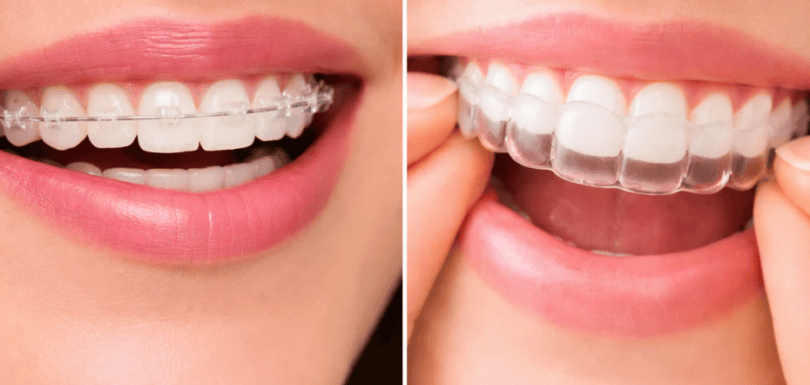
Have you ever wanted to straighten your teeth but hesitated because you did not want to wear noticeable metal braces? You are not alone. Many teenagers and adults delay orthodontic treatment simply because they worry about how traditional metal braces will look and affect their daily lives. The great news is that modern dentistry provides advanced solutions that make straightening your teeth comfortable, effective, and practically invisible. If you have been researching orthodontic treatments, you have likely come across both invisible braces and clear aligners. While people often use these terms interchangeably, they are not entirely the same. Understanding the differences will help you make the best choice for your smile. If you are considering treatment, consulting experienced professionals like the team at Boss Dental is a great first step. They can guide you toward the treatment plan that best aligns with your lifestyle and oral health needs. What Are Invisible Braces? Invisible braces is a broad term for orthodontic appliances designed to straighten teeth without the high-visibility look of traditional metal brackets. They offer a discreet way to correct alignment issues effectively. Depending on your specific dental needs, invisible braces may include: Each option has unique advantages, and your dentist will recommend the ideal approach based on your clinical evaluation. What Are Clear Aligners? Clear aligners are custom-crafted, transparent plastic trays designed to fit snugly over your teeth. Unlike traditional braces, they eliminate the need for fixed brackets and metal wires, using gentle, continuous pressure to shift your teeth into position over time. Key Differences: Invisible Braces vs. Clear Aligners Even though clear aligners fall under the category of invisible braces, not all invisible braces are clear aligners. Recognizing this distinction makes it much easier to discuss your preferences with your dentist. Advantages of Invisible Braces Invisible braces offer several advantages over traditional metal options: Advantages of Clear Aligners Clear aligners have surged in popularity due to the unmatched flexibility they offer: Which Option Delivers Faster Results? Treatment time varies from person to person. Key factors that influence your timeline include: While mild cases can be resolved in a few months, more complex orthodontic conditions may take longer. Rather than focusing solely on speed, choose the option that delivers the safest and most stable long-term result. Lifestyle Considerations Your daily routine plays a major role in deciding which option fits best: Maintaining Oral Hygiene During Treatment Maintaining healthy teeth and gums is essential throughout any orthodontic journey: Who Is an Ideal Candidate? Most teenagers and adults looking to improve their smile are good candidates for orthodontic treatment. You may qualify if you experience: A thorough clinical assessment by a dental professional is the best way to determine your eligibility. Why Professional Consultation Matters Every smile is unique, and two individuals with similar-looking teeth may require completely different treatment strategies. During a consultation, an experienced orthodontic team evaluates: If you are seeking personalized, high-quality care, Boss Dental provides comprehensive smile correction services using advanced digital technology and tailored treatment planning. Final Thoughts Choosing between invisible braces and clear aligners isn’t about deciding which treatment is universally better—it’s about selecting the option that best matches your clinical needs, routine, and personal preferences. Both methods offer discreet, effective paths toward achieving a healthy, confident smile. Schedule a consultation with a qualified professional today to take the first step toward transforming your smile.
Continue Reading

Root Canal Treatment: Myths vs Facts Every Patient Should Know

Hearing the news that you need a root canal can be unsettling, mainly due to the prevalence of common misconceptions. A lot of people think that a root canal is painful or something that should be avoided at all costs. The truth is, modern root canal treatment is completely safe, highly comfortable, and extremely effective.   We believe that having an understanding of the facts helps patients make informed decisions about their dental health. Let’s take a look at the truth behind the most common root canal myths. What is a Root Canal? A root canal is a procedure that removes infected or damaged pulp from the inside of a tooth. The pulp contains nerves and blood vessels. When it becomes infected due to deep decay, cracks, or injury, it can cause severe pain and swelling. During a root canal, the infected pulp is removed, and the canals are thoroughly cleaned, disinfected, and sealed. Usually, a dental crown is placed on the tooth afterward to restore its strength and function. The main goal of a root canal is to save your natural tooth and prevent further infection. Signs That You Might Need a Root Canal You should consult your dentist if you notice any of the following warning signs: Pro Tip: Seeking root canal treatment early on can prevent serious complications and save your tooth from extraction. Debunking the Myths: Root Canal Facts vs. Fiction  Myth 1: Root Canal Treatment is Painful  Myth 2: It’s Better to Just Pull the Tooth  Myth 3: Root Canals Cause Illness in the Body Myth 4: A Root Canal Requires Multiple Long Visits Myth 5: A Root Canal Tooth is “Dead” Myth 6: Root Canal Treatment Doesn’t Last Step-by-Step: How a Root Canal is Performed Knowing what to expect during your appointment can help ease anxiety. Here is how we perform the procedure: The Core Benefits of Saving Your Tooth Clinical Benefit Daily Life Benefit Eliminates infection Stops chronic pain and swelling Prevents tooth loss Maintains your natural smile Protects surrounding teeth Prevents neighboring teeth from shifting High success rate Offers lasting, long-term dental health What Happens if You Delay Treatment? If you ignore an infected tooth, the bacteria will continue to spread. This can lead to: How to Prevent Needing a Root Canal The best way to treat a root canal is to avoid needing one in the first place! Consistent oral hygiene drastically lowers your risk of deep infection: Why Choose Boss Dental?  We use state-of-the-art technology to provide comfortable, efficient, and highly effective root canal treatments. Our patients benefit from: Our experienced team is committed to helping you save your natural teeth with the highest standard of dental care. Frequently Asked Questions (FAQs) Is a root canal painful? No, it is not. Modern local anesthesia ensures that the root canal treatment is entirely comfortable. Most patients report that it feels no different than getting a routine filling. How long does a root canal take? Most procedures take between 60 to 90 minutes per appointment, depending on the complexity and location of the tooth. Will I definitely need a crown afterward? In most cases, yes. Removing the pulp can make the tooth more brittle over time. A custom dental crown protects the treated tooth from breaking and fully restores its biting strength. Can I eat immediately after the treatment? Yes, but it is best to wait until the numbness completely wears off to avoid accidentally biting your tongue or cheek. Try to avoid chewing directly on the treated tooth until your permanent crown is placed. Is root canal treatment safe? Absolutely. Root canals are a standard, highly predictable, and safe dental procedure with a track record of saving millions of teeth every year. Conclusion A root canal is one of the safest and best ways to save an infected tooth from extraction. Modern treatment is designed to relieve your pain, not cause it. If you are experiencing tooth pain, swelling, or prolonged sensitivity, don’t delay your care. We’re dedicated to providing patient-focused dental care to help you maintain a healthy, confident smile. Contact us today to schedule your consultation!
Continue Reading

Things To Avoid After a Braces Treatment

The Braces Treatment is used to  rectify the misaligned teeth and get a  confident  smile  in  just a few months. After the treatment, teeth are still in a process of adjusting to the new position. To protect your teeth and allow them to last, you need to avoid certain foods, and habits, and take care of your oral health. With the right care, you can help avoid complications and maintain a healthy smile. You must know what to avoid after Treatment to help protect what you have worked So hard to maintain after seeing the improvements in your smile, you definitely want to keep up the success of your oral care. Things To Avoid After a Braces Treatment Avoid Hard Foods After braces treatment for the first few days you should  avoid hard foods such as nuts, ice or hard candy. These foods can put a lot of pressure on your teeth and slowly break your retainers or even cause small cracks in your teeth, which would affect the results of your treatment. Avoid Sticky Foods Avoid sticky foods like chewing gum, caramel, and toffee. They can stick to your teeth and braces This can result in  complication in  cleaning and that would change  the alignment obtained after the treatment. Do Not Skip Wearing Retainers There are many people who do not  realize the importance of wearing retainers after braces. The dentist will  share the advice of wearing retainers  after treatment. If you are not wearing retainers, that can make your teeth slowly move back to the way they were before the treatment, It will  affect the result of the treatment. Avoid Poor Oral Hygiene Good oral hygiene must be maintained after the treatment. Not brushing or flossing  regularly that can lead to plaque buildup, cavities, and gum issues that can impact your new straight teeth. It will affect the whole treatment so maintain good oral for good results. Avoid Biting Nails or Object Habits like nail biting or chewing on pens and pencils that can put unnecessary pressure on your teeth. This could change the alignment of the teeth, and maybe even damage  your teeth. Staying away from such habits keeps the proper alignment maintained and also help in making your teeth strong and healthy for a long time. Avoid Sugary Food and Drinks Avoid sugary foods and drinks after the treatment. Sugar can lead to cavities and enamel erosion, which harm the  teeth. Eating healthy foods  keeps your teeth protected, and your results of treatment  will be long- lasting, so your smile stays bright and free of dental problems. Avoid Skipping Dental Visit After Braces Treatment it is important to have regular dental check-ups to maintain  your teeth and oral hygiene. Skipping appointments can result in problems in teeth that will create an impact on the alignment.  Dentists can also offer advice and treatment if you  required good  results then  keep your teeth healthy after treatment. Avoid Using Teeth as Tools Avoid using teeth to open bottles or tearing packets. That can damage your teeth and  that will affect the treatment. This behavior can make your teeth crack, chip or become misaligned.  You use the proper tool to open the bottle to  protect the results of your treatment and the beauty of your smile  and helping to keep your teeth protected means less chance of having to repeat this treatment or having other dental issues. Avoid Smoking and Tobacco Product After the  treatment, smoking or use of any tobacco products can cause damage to your teeth and gums. These practices lead to staining, bad breath and increase  the possibility of gum disease.  Avoid using tobacco product  to promote good oral health and keep your teeth clean, bright and well-aligned for a long time. Avoid Sudden Diet Changes Without Care Avoid sudden diet changes after the braces treatment, eating hard or crunchy foods suddenly may damage your teeth. Teeth need to adapt to new food items, so a slow dietary  change  is best. Need carefulness in choosing food maintains alignment and prevents pain, and that allow long term results and importantly maintain  your healthy smile. Aftercare Tips For Braces Treatment Tip 1 – Wearing your retainer maintains your teeth in the new position. Skipping your retainer could slowly make  your teeth to shift back to old position. Tip 2 – Using a  soft  toothbrush prevents your enamel and gums from being over brushed. Brushing day and night is help to  cleans your teeth, removes plaque, and promotes tooth and gum health. Tip 3 – Floss your teeth daily to remove food particles in between your teeth.  And also Flossing cleans areas that the toothbrush can’t reach. Tip 4 –  Cleaning your retainer on the regular prevents it from smelling and avoiding the growth of the  bacteria in teeth.Tip 5 – Use an antiseptic mouthwash daily that will  kills bacteria and freshens your breath. It provides an additional layer of protection from infections and bacteria formation. Conclusion Proper care after the  Braces Treatment is necessary for the preservation of good results and also  for a healthy smile. following the proper after care instructions is important and avoiding the bad habits can help to maintain a good oral health and protect from misalignment of teeth. Good oral hygiene, regular dental visits will help to  long-term success. However, paying attention to your diet and habits can help prevent your teeth and gums from further harm and infection. If you take good care  of your teeth that will  get your good smile  with healthy and beautiful smile as well as maintain  your overall oral health. FAQ’s How Long Should I Wear My Retainer After Braces Treatment? You need to wear your retainer according to your dentist’s instructions. It may be full-time to start, then slowly reduced. Using it consistently stops your teeth from moving back. Can I Eat Normally After Brace Treatment? You can eat anything but stay away from hard and sticky food items . Slowly progress to your regular diet. Be sure to take care of your teeth and retainers. That will help to maintain a good smile. What Happens If I Don’t Wear My  Retainer? Teeth will slowly  move  to their original position. This will reverse all the effects of your
Continue Reading

Types of Dental Implant: Which One Is Right For You?

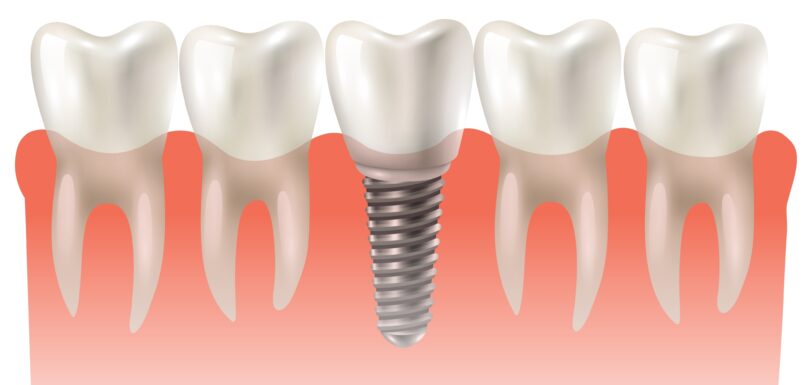
Endosteal Dental Implants Missing teeth can affect more than just your smile. They can interfere with eating,  change the way you talk and even make you feel less confident. In today’s modern society, dentistry has a predictable treatment option in dental implants. These implants serve as artificial tooth roots and provide a strong base for replacement teeth that look and feel natural. In the present times, different types of dental implants depend on a person’s jawbone health, number of missing teeth, and overall dental condition. By knowing these options better, can help you make a better choice about your treatment. What is Dental Implant? A dental implant acts as a replacement root of a missing tooth. It is typically made from titanium which is a strong, biocompatible material that fuses to the jaw bone. During the procedure, the dentist places the implant onto the jawbone.  Over time, the bone naturally fuses with the implant through a  process called osseointegration. This forms a solid foundation for a crown, bridge, or removable partial denture. Due to this strong bond with the bone, implants are regarded as one the long lasting option for tooth replacement today. Types of Dental Implants There are several types of dental implant used in modern dentistry. The right option for you depends on your jawbone health, the number of missing teeth, and your overall oral condition. Endosteal implants are the most popular type of dental implant in the world. They are shaped like small screws and are placed directly into the jawbone. These implants are the preferred option for a large number of patients as they offer a robust and steady base for artificial teeth. Who is it Best For? Endosteal implants are suitable for patients who have healthy and dense jawbones. They are also used to replace a single tooth, multiple teeth or even to support bridges. Endosteal implants are known for their strength and durability. They offer a very natural feel and can last many years when properly maintained. How the Procedure Works? The dentist surgically inserts the implant into the jawbone. Following placement, the bone requires time  to heal and grow together with the implant. This healing time is typically several months. When the implant is firm, a crown is placed to finish the tooth replacement. Superiosteal Dental Implants Another option among the types of dental implant is the subperiosteal implant. Unlike endosteal implants, these are not inserted inside the jawbone. They don’t go into the jawbone they sit on top of it, but beneath the gum tissue. This design allows the implant to hold artificial teeth without being placed deep in bone. Who is it Best For? Subperiosteal implants are typically suggested for patients who have insufficient bone height or density. They are also an option for those who are not able to have bone graft procedure.  This choice can be less invasive than traditional implants, and may require less healing time But they might not be as strong as implants that are placed in the bone. How the Procedure Works? A metal framework is inserted under the gums. Small posts from the framework extend through the gums and hold the replacement teeth. Zygomatic Dental Implants Zygomatic implants are one of the most advanced types of dental implant available today. They are used in cases for patients with severe bone loss in the upper jaw. Rather than being inserted into the jawbone, these implants are fixed into the cheekbone, or the zygomatic bone. Zygomatic implants avoid the need of bone grafting, and allow patients with severe bone loss to receive dental implants successfully. Who is it Best For? This type of implant is recommended for patients who have significant bone loss and cannot undergo bone graft procedures. How the Procedures Work? The implant is placed into the cheekbone, which gives a solid foundation for the replacement teeth. Due to the complexity of the procedure, it is generally carried out by expert surgeons. Mini Dental Implants Mini dental implants is one among the types of dental implants which are a smaller type of the traditional implant. The diameter is much smaller and that is what makes them useful in certain situations.Mini implants have quicker healing time and in many cases are less expensive. They are used to secure dentures and add comfort for people who need them, allowing patients to eat and speak with confidence. Who is it Best For? Mini implants are also commonly used in situations when jaw space is limited or where dentures require additional support. How the Procedures Work? Mini dental implants can typically be placed during a small surgical procedure. In most cases, they may be placed in a single visit. Why Choose Boss Dental for Dental Implants When it comes to dental implants, experience and precision matter. At Boss Dental, the treatment is focused on each patient individually. The dentist will assess your oral health and advise on the best options for dental implant in your particular case. Using the latest technology and best protocols, the goal is to ensure comfort, safety, and long-lasting results. Conclusion Understanding your dental implant options will help make you more aware when exploring tooth replacement options. Each type of implant is meant to address a particular dental issue, and your individual needs will determine the best option. Dental implants aren’t just a cosmetic fix. That’s because they restore chewing function, help maintain jawbone health, and restore the confidence a healthy smile provides. If you are thinking about dental implants, the best thing you can do is to consult a qualified dentist. With a little guidance and treatment plan,  you can find the best implant option for your smile and lifestyle. FAQ’s What Are The Different Types of Dental Implant? There are several types of dental implant such as Zygomatic, Mini dental implants, subperiosteal, endosteal, and more. Each model suits unique dental situations based on the patient’s jawbone density and how many teeth are absent. Which Type Of Dental Implant Is The Most Commonly Used? Endosteal implants are the type of implant that is most frequently used. They are inserted directly into the jawbone, which offers solid support for crowns, bridges, or dentures. How
Continue Reading

Dental Scaling, Plaque Removal for Teeth, and Teeth Cleaning

Dental scaling and polishing are really important for keeping your teeth and gums healthy. Even if you brush your teeth every day plaque can still build up. Turn into hard deposits that need to be removed by a professional. Understanding what dental scaling is, how it works and what it costs can help you make decisions about taking care of your teeth. Dental scaling is not about making your teeth look nice, it is also about keeping your gums healthy and preventing cavities. When you get your teeth professionally cleaned it helps keep your mouth fresh and free of disease. Understanding Scaling and Plaque Removal Dental scaling is a procedure that removes the hard plaque and tartar from your teeth both above and below the gum line. When you take care of your teeth at home it helps control the bacteria in your mouth. It cannot remove the stubborn deposits that build up. Once the plaque hardens you need to get it removed by a professional. It is really important to remove plaque because it has bacteria that can irritate your gums. If you do not get it treated it can lead to gum disease and other serious problems. Dental scaling helps remove the bacteria before they cause any lasting damage. What Is Tartar Removal and Why Does It Matters? Tartar removal is the process of getting rid of the plaque deposits that stick to your teeth. These deposits usually build up near the gum line and between your teeth. You cannot remove tartar by using a regular toothbrush or toothpaste at home. When you get tartar removed it helps your gums get healthier by reducing the inflammation and preventing infection. It also helps make your teeth cleaner, which makes it easier to take care of them every day. The Role of Plaque Remover for Teeth in Daily Care A plaque remover for teeth is usually a toothbrush, floss or tools that help reduce the plaque buildup at home. While these tools are good for taking care of your teeth every day, they cannot replace the dental scaling that you need to get regularly. When you remove plaque every day by brushing and flossing it helps reduce the amount of tartar that builds up. However you still need to go to the dentist to get your teeth completely cleaned. The Dental Scaling and Polishing Procedure Explained When you go to the dentist they will first examine your mouth. Then they will use tools to remove the plaque and tartar from your teeth. They might use a tool or a special ultrasonic device that uses water and vibrations to break apart the hard deposits. After they remove the tartar they will polish your teeth to make them smooth. This helps prevent bacteria from building up. The whole process is usually done in one visit.  Is Scaling Painful? Dental scaling is usually not painful. You might feel a pressure or vibration especially when they are removing tartar from areas that have a lot of buildup. After the procedure you might feel a little sensitive. It usually goes away quickly. The technology they use now is really good. Makes the experience a lot better. Teeth Cleaning Cost and What Influences It? The cost of teeth cleaning can vary depending on how tartar you have, where you live and if you need any other special treatments. Regular dental scaling is usually less expensive than the deep cleaning procedures. When you think about the cost, remember that getting your teeth cleaned regularly can help you avoid expensive problems later. It is an investment in your oral health. Benefits of Professional Plaque Removal Getting your teeth professionally cleaned has a lot of benefits. It reduces the risk of cavities by removing the bacteria that can cause them. It also helps prevent gum disease by removing the irritants that can cause inflammation. When you get tartar removed it can make your breath fresher.  Scaling and Polishing for Gum Disease Prevention Gum disease usually starts with plaque building up near the gum line. Dental scaling helps prevent this by removing the plaque. If you get tartar removed early it can prevent gum disease from getting worse. If you already have gum disease you might need to get your teeth cleaned often to keep it under control. Regular check-ups can help you keep your gums healthy. How Often Should Dental Scaling Be Done? Most people need to get their teeth cleaned every six months. However if you have a lot of plaque buildup, smoke or have medical conditions you might need to go more often. Your dentist can help you figure out how often you need to get your teeth cleaned. Preventive care can help you save money on the run. Long-Term Impact of Regular Tartar Removal Getting your teeth cleaned regularly can help you keep your teeth and prevent problems. Healthy gums help keep your teeth strong and prevent them from getting loose. Taking care of your teeth is also important for your health. Infections in your mouth can be linked to health problems so getting your teeth cleaned regularly is an important part of staying healthy. Maintaining Results After Scaling To keep your teeth clean and healthy you need to brush and floss every day and use a good plaque remover for teeth. Avoiding tobacco and sugary foods can also help reduce plaque buildup. Going to the dentist regularly can help you catch any problems early and keep your teeth clean. Taking care of your teeth at home and getting cleanings can help you keep your teeth strong and your gums healthy. A Healthy Smile Begins With Scaling Dental scaling and tartar removal are the foundation of preventive dentistry. Understanding the importance of plaque removal and the cost of teeth cleaning can help you appreciate the value of care. Investing in dental scaling can help you keep your teeth clean, your gums will be healthy. Taking care of your teeth now can help you avoid problems
Continue Reading

Dental Implants for Missing teeth and Full Mouth Dental Implants Benefits

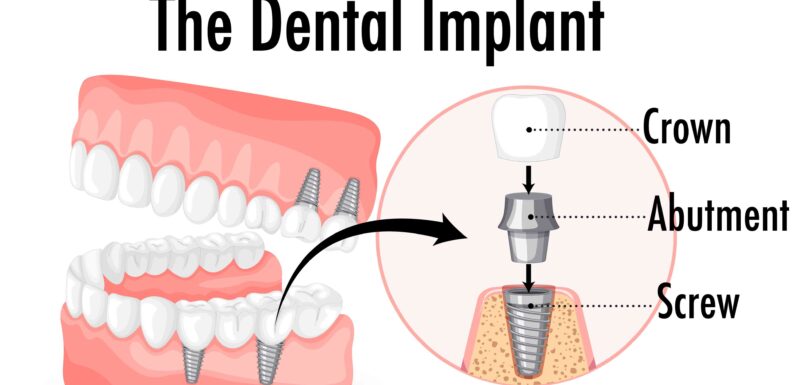
Dental implants are a way to fix teeth that are missing. They are very good at helping people who have lost teeth because of an injury, decay or gum disease. Whether you need to replace one tooth or all of your teeth, dental implants can help. They feel like real teeth and they can help you chew and talk better. Understanding Dental Implants for Teeth Missing A dental implant is a post that is put into your jawbone to replace a missing tooth. This post is made of titanium, which’s a strong metal. The post integrates with your bone, which makes it very strong. Then a crown or a bridge can be put on top of the post. This makes your tooth feel like a real tooth. Dental implants are better than dentures because they do not come out. They stay in your mouth. Help you chew and talk. They also help keep your teeth from moving around. Why Full Mouth Dental Implants Are a Life-Changing Solution? If you are missing a lot of teeth, mouth dental implants can help. They can give you a set of teeth that are fixed in your mouth. This means you can chew and talk without worrying about your teeth coming out. Full mouth dental implants are also very good at keeping your jawbone healthy. They help keep your face from changing shape, which can happen when you are missing teeth. Many people who have mouth dental implants say that they feel more natural and comfortable than dentures. How Dental Implant Cost Reflects Long-Term Value? The cost of implants can vary. It depends on how implants you need if you need bone grafting and what kind of materials are used. While dental implants may cost more at first they can last for a long time. This means they can be a value in the long run. Other ways of fixing teeth like bridges or dentures may need to be replaced every year. Dental implants can last for decades if you take care of them. When you are thinking about the cost of implants you should think about how long they will last and how they will help your oral health. The Dental Implant Procedure Explained When you get implants you will first have a check-up. This includes scans and X-rays to see how healthy your jawbone is. If your jawbone is healthy enough the implant can be put in. You will get anesthesia to help with any pain. After the implant is put in, you will need to wait for it to heal. This can take a week or months. When it is healed a crown or bridge can be put on top of the implant. This will make your tooth look like a real tooth. Is Dental Implant Surgery Painful? Most people do not have pain when they get dental implants. You will get anesthesia to help with any pain. You may have some swelling or discomfort after the procedure. This can be helped with medicine. New technology has made it so that dental implant surgery is not very painful. Healing After Implant Placement Healing is very important when you get implants. The implant needs to integrate with your jawbone, which makes it strong. You will need to take care of your mouth and go to follow-up appointments to make sure everything is healing well. If you are getting mouth dental implants your dentist will watch you closely to make sure everything is healing well.  Who is a right candidate for Dental Implants? Most adults who are healthy and have enough jawbone density can get dental implants. Even if you have lost some bone you may still be able to get implants if you have a bone graft. Some health problems, like diabetes or smoking may affect how well you heal. You will need to talk to your dentist about these things. Your dentist will help you figure out if you are a candidate for dental implants. They will also help you understand how much it will cost and how long it will take. Comparing Dental Implants With Other Tooth Replacement Options Bridges and dentures are ways to replace missing teeth. They are not as good as dental implants. Bridges can hurt the teeth around them. Dentures can be uncomfortable and hard to chew with it. Dental implants are better because they do not hurt your teeth. They also help keep your jawbone healthy and give you a solution that feels like real teeth. Even though they may cost more at first they are a value in the long run. Caring for Dental Implants Long Term Taking care of implants is like taking care of your natural teeth. You need to brush and floss every day. You need to go to the dentist regularly. This will help prevent any problems and make sure your implants last a time. If you take care of your dental implants they can last for decades. This makes them a great solution for people who are missing teeth. The Impact of Full Mouth Dental Implants on Quality of Life People who get full mouth dental implants often say that it has changed their life. They can talk better and they feel more confident. Dental implants are a way to replace missing teeth. They may cost more at first but they are a good value, in the long run.
Continue Reading