

Boss Dental

  • Home
  • Author: Boss Dental
pediatric dentist Coimbatore service at Boss Dental clinic in Coimbatore

Wisdom Tooth Removal: Everything You Need to Know

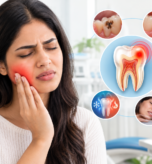
Have you ever felt pain or swelling at the back of your mouth? Does it hurt when you chew or open your mouth wide? If you are in your teens or twenties, your wisdom tooth could be the reason behind this discomfort. Wisdom teeth are the last set of teeth to develop in the mouth. While some people have enough space for them to grow normally, others have wisdom teeth that become trapped, grow at an angle, or cause repeated infections. In these situations, wisdom tooth removal may be recommended. Does every wisdom tooth need to be removed? What actually happens during the procedure? How long does it take to recover? Here is everything you need to know. What Are Wisdom Teeth? Wisdom teeth are the third set of molars located at the very back of your upper and lower jaws. They usually appear between the ages of 17 and 25, although the timing can differ from person to person. Why Do Wisdom Teeth Cause Problems? Because wisdom teeth sit at the far back of the mouth, they are notoriously difficult to clean with a standard toothbrush or dental floss. This allows food particles and bacteria to build up around the area. A problematic or impacted wisdom tooth can lead to: If these symptoms keep recurring, it is best to get evaluated early rather than waiting for the pain to become severe. Tooth Removal “At BOSS Dental in R.S. Puram, Coimbatore, our experienced team offers thorough evaluations and personalized care for tooth removal. Utilizing modern dental imaging, we help you determine whether your wisdom teeth should be monitored, treated, or gently removed.” Does Every Wisdom Tooth Need to Be Removed? No. A wisdom tooth does not automatically need to be extracted simply because it exists. If your wisdom tooth has grown in properly, is fully functional, can be cleaned easily, and is symptom-free, your dentist will likely recommend simply monitoring it during your regular check-ups. When Is Removal Recommended? Extraction is usually advised when: Your dentist will conduct a clinical examination and take dental X-rays to assess the tooth’s position before making a recommendation. How Is Wisdom Tooth Removal Done? The removal process depends largely on the position and angle of the wisdom tooth. Is Wisdom Tooth Removal Painful? Pain during the procedure is a top concern for many patients. Thanks to modern local anesthesia, the treatment area is thoroughly numbed before any work begins, making the actual procedure comfortable and pain-free. After the anesthesia wears off, some mild soreness, minor swelling, or discomfort is a normal part of the body’s natural healing process. The level of post-procedure discomfort depends on whether the extraction was simple or surgical. Your dentist will prescribe or recommend appropriate medication to keep you comfortable. Recovery and Post-Care Some swelling and tenderness around the jaw are common during the first few days post-extraction. What to Expect: Post-Care Tips for Fast Healing: How Long Does Recovery Take? Recovery time varies for everyone: Note: If you experience severe pain that worsens over time, heavy bleeding, high fever, or numbness that doesn’t fade, contact your dentist right away. What Happens If You Ignore a Problematic Wisdom Tooth? Leaving a troublesome wisdom tooth untreated can lead to worsening complications over time. Continuous gum infections, deep decay, cyst formation, or damage to adjacent healthy teeth can compromise your overall oral health and make future treatments more complex. However, the decision to remove a tooth should always be personalized based on its position, health, and potential risks. Schedule Your Dental Evaluation Today Wisdom tooth removal involves careful planning. A precise evaluation of the tooth’s roots, nerves, and surrounding bone structures is essential for a safe procedure and smooth recovery. At BOSS Dental in R.S. Puram, Coimbatore, our experienced team offers thorough evaluations and personalized care. Utilizing modern dental imaging, we help you determine whether your wisdom teeth should be monitored, treated, or gently removed. When a tooth does need to be removed, replacing the missing tooth may also become an important part of maintaining comfortable chewing and a balanced smile. If you are missing one or several teeth, learn more about your options in our guide, Complete Dentures vs Partial Dentures: A Complete Guide. Don’t let wisdom tooth pain disrupt your life. Contact BOSS Dental in R.S. Puram, Coimbatore today to schedule your consultation and keep your smile healthy and pain-free!

Continue Reading

Complete Dentures vs Partial Dentures: A Complete Guide

Restoring your smile after tooth loss does far more than just improve aesthetics—it restores your ability to chew comfortably, speak clearly, and feel confident in daily interactions. If you are exploring tooth replacement options, you have likely come across both complete dentures and partial dentures. Understanding the key differences between these options helps you make an informed decision when consulting with your dentist. What Are Dentures? Dentures are custom-crafted prosthetic devices designed to replace missing teeth and surrounding gum tissue. Modern dental technology ensures that today’s dentures look highly natural, matching the shade, shape, and appearance of your natural teeth and gums. Beyond improving your smile, dentures provide critical structural support to your lips and cheek muscles, preventing the facial sagging that often accompanies tooth loss. What Are Complete Dentures? Complete dentures (commonly referred to as full dentures) are designed for individuals who have lost all of their natural teeth in either the upper jaw, lower jaw, or both. What Are Partial Dentures? Partial dentures are ideal for individuals who are missing several teeth but still retain healthy, natural teeth in the upper or lower jaw. Complete Dentures vs. Partial Dentures: Key Differences The primary distinction between the two rests on how many natural teeth remain: Adapting to Life with Dentures Alternative Solutions for Missing Teeth While dentures are a proven, cost-effective solution for widespread tooth loss, they are not the only treatment available. Depending on your oral health, jawbone density, and personal goals, your dentist may also evaluate: Dental crowns are commonly used when a tooth is weakened, cracked, heavily damaged, or has undergone root canal treatment. A crown covers the damaged tooth and helps restore its strength, shape, and appearance. If you are wondering when you need dental crowns or bridges, a dental consultation can help determine whether either option is suitable for your specific condition. Choosing the Right Option Determining whether complete or partial dentures are right for you requires a comprehensive clinical examination, including evaluations of your jawbone health, bite alignment, and remaining tooth stability. If preserve-worthy natural teeth remain, keeping them is often a primary goal in your treatment plan. If you are considering dentures, you can also explore our Dentures and Prosthesis treatment options to understand how missing teeth can be restored. Consulting with a dentist will allow you to explore custom options tailored specifically to your oral health, budget, and lifestyle needs.
Continue Reading

When Do You Need Dental Crowns or Bridges?

Biting down and feeling a sudden crack—or living with a gap from a missing tooth—can make everyday tasks like eating and speaking frustrating. When you visit the dentist for these issues, you will likely hear them mention crowns or bridges. While both options restore your smile, they serve very different purposes depending on the condition of your remaining teeth, the size of any gaps, your bite, and your overall oral health. Understanding Dental Crowns A dental crown is a custom-made cap designed to fit over a single damaged or weakened natural tooth. It restores the tooth’s natural shape, strength, and appearance. Think of a crown as an outer shield: rather than extracting a tooth that still has strong roots, a crown preserves and protects what remains of the natural structure. A dentist may recommend a crown in the following situations: Understanding Dental Bridges While a crown protects an existing tooth, a dental bridge is designed to fill a gap left by one or more missing teeth. Imagine missing a tooth between two healthy ones. A dental bridge anchors to the natural teeth (or implants) on either side of the space and holds a pontic—a realistic artificial tooth—in the middle to “bridge” the empty gap. Crown vs. Bridge: Which One Do You Need? The simplest way to break down the difference comes down to saving a tooth versus replacing one: If you have a molar that is severely cracked but still securely rooted, your dentist will likely suggest a crown. If that molar is already gone and leaves an open gap between two healthy teeth, a bridge is often the recommended solution. Why You Shouldn’t Ignore a Missing Tooth Because a missing tooth isn’t always painful, it can be tempting to just live with the space. However, leaving a gap open can cause long-term complications: Having a gap evaluated early can be helpful, as missing teeth may affect chewing, speaking, and the position of surrounding teeth. What to Expect During Your Evaluation Before deciding on a treatment plan, your dentist will perform a thorough assessment to check: This evaluation ensures you receive the treatment that best protects your long-term oral health. Caring for Your Restorations Crowns and bridges are built to be long-lasting and durable, but they still require daily maintenance. Plaque can build up around the edges of a restoration—especially along the gumline and underneath a bridge. To keep your restoration intact: Overcoming Dental Anxiety It is completely natural to feel anxious when discussing dental procedures. If you feel nervous, let your dental team know beforehand. Modern Dentistry offers gentle pain management techniques and options to help keep you comfortable and relaxed throughout your visit. Protect Your Smile Early A minor chip, a broken tooth, or an empty gap might seem manageable right now, but delaying care can lead to more complex treatments down the road. Schedule a consultation with your dentist to discuss your options and take the first step toward a strong, healthy smile.
Continue Reading

A Parent’s Guide to Your Child’s First Dentist Visit

You might be thinking, “Is my child really old enough to see a dentist?” If your child only has a few teeth, it is easy to assume a dental visit can wait until they are older. However, the first dental appointment is about much more than checking for cavities. It gives you practical tools to care for your child’s developing smile and helps your little one get comfortable with the dentist’s office from an early age. Understanding when to book, what happens during the appointment, and how to keep your child calm can make the entire experience smooth and stress-free. When Should a Child First Visit the Dentist? The American Dental Association recommends that children visit a dentist within six months after their first tooth appears, and no later than their first birthday. While this might seem early, baby teeth are susceptible to decay as soon as they break through the gums. An early visit allows the dentist to inspect your child’s mouth, assess gum health, and guide you on essential topics like brushing techniques, fluoride intake, and feeding habits. The primary goal of this first visit is acclimatization—helping your child feel safe rather than performing extensive procedures. What Happens During the First Appointment? Every child’s visit is tailored to their age and comfort level, but a typical first appointment includes: This visit is also your opportunity to ask questions. Consider bringing up topics like: Why Baby Teeth Matter More Than You Think It is common to hear, “They are just baby teeth; they’ll fall out anyway.” However, primary teeth play a vital role in your child’s overall development: How to Prepare Your Child for the Visit A little preparation at home goes a long way toward preventing tantrums or anxiety on the day of the appointment. What Parents Should Tell the Dentist Before you go, make a quick note of any observations or concerns regarding your child’s mouth. Be sure to inform the dentist if you have noticed: Even if a detail seems minor, sharing it helps the dentist tailor their care and advice to your child’s specific needs. How to Find the Right Pediatric Dentist Location and convenience matter, but finding a practice designed for children makes a significant difference in their long-term attitude toward dental health. Look for a clinic that features: If you are looking for specialized pediatric dental care in Coimbatore, clinics like Boss Dental offer experienced pediatric dentists tailored to young patients. Don’t hesitate to call ahead and ask a clinic about their approach to first-time visits before booking. Are Dental X-Rays Needed? Parents often worry when X-rays are mentioned for young children. X-rays are not required for every child at every visit. A dentist will only recommend an X-ray if it is clinically necessary—such as to check for hidden decay between tight teeth, evaluate tooth eruption under the gums, or assess the impact of an injury. If an X-ray is suggested, ask the dentist to explain what they are evaluating so you feel completely informed. Healthy Habits Start at Home Professional care is only half the equation; daily habits at home protect your child’s teeth between check-ups: Making the First Visit a Lifelong Success Your child’s first dental visit sets the stage for how they will view dental health for years to come. By starting early, staying positive, and partnering with a supportive pediatric dental team, you help turn routine check-ups into a normal, comfortable part of growing up.
Continue Reading

Signs of Gum Disease You Should Never Ignore

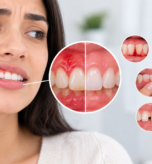
Have you ever seen a little blood in the sink after brushing your teeth and thought, “Maybe I brushed a little too hard”? Or perhaps your gums look slightly red, your breath doesn’t feel fresh, or one part of your mouth feels tender. These small changes are easy to ignore—especially when there is no real pain involved. However, your gums can show clear signs of trouble long before a dental problem becomes uncomfortable. Gum disease is common, and its early symptoms can be surprisingly subtle. Knowing what to watch for helps you catch potential issues early, long before they become difficult or costly to treat. 1. Bleeding While Brushing One of the most common early signs of gum disease is bleeding when you brush or clean between your teeth. You might notice a pink tint in the sink or a spot of blood on your toothbrush. Because it usually doesn’t hurt, it is easy to assume it’s harmless. The reality: Healthy gums should not bleed regularly from normal brushing. Bleeding often occurs when sticky plaque builds up along the gumline and causes irritation. If you regularly see blood, don’t stop cleaning that area—instead, schedule a dental check-up to find the cause. 2. Red, Puffy, or Swollen Gums Take a close look in the mirror the next time you brush your teeth. Healthy gums should look firm and pale pink. If your gumline looks red, puffy, swollen, or feels tender when you touch it, your gums are likely reacting to an irritant. Early gum inflammation often develops without pain, which is why a quick daily visual check is so valuable. 3. Bad Breath That Keeps Coming Back Everyone experiences bad breath from time to time. Morning breath or a meal heavy on garlic and onions can temporarily affect your breath. The real concern is persistent bad breath—or a constant bad taste in your mouth—that remains even after thorough brushing, flossing, and tongue scraping. This ongoing odor can be caused by bacteria living beneath the gumline. Instead of reaching for another mint, it is worth investigating the root cause. 4. Gums Pulling Away From Your Teeth Have you noticed your teeth looking longer than they used to? When gum disease progresses, the gum tissue can recede and pull away from the base of the tooth. This exposes more of the tooth structure—and sometimes the root—leading to potential sensitivity and structural issues. If you notice your gumline shifting, it should be evaluated by a professional. 5. Sensitive or Loose Teeth If an adult tooth feels slightly wobbly, moves when you touch it, or changes the way your bite feels, seek dental care promptly. Advanced gum disease affects not just the gums, but also the bone and supporting tissues that hold your teeth in place. Unchecked inflammation can eventually lead to tooth looseness or tooth loss. Additionally, sudden sensitivity near the gumline can be a sign that tissue is pulling back and exposing vulnerable areas. Why Does Gum Disease Happen? The primary cause of gum problems is plaque—a sticky, invisible layer of bacteria that constantly forms on your teeth. When plaque isn’t thoroughly removed every day, it hardens into tartar (calculus). Tartar cannot be brushed away at home and requires professional dental tools to remove. Other Risk Factors Gum health varies from person to person. Factors that can increase your risk include: What Should You Do If You Spot These Signs? First, don’t panic! Seeing a bit of blood doesn’t automatically mean you have severe gum disease. Here is how to handle it: When Should You See a Dentist? You don’t need to wait until you are in severe pain to book an appointment. Make an appointment if you experience persistent bleeding, swollen or tender gums, bad breath that won’t go away, or receding gums. Important: Seek prompt dental care if you experience severe pain, sudden tooth looseness, significant swelling in your mouth or face, or unusual lumps and sores. At Our Dental, gum-related care is tailored to your specific needs—ranging from routine scaling and polishing to deeper periodontal therapy. A thorough exam is always the best first step to getting your oral health back on track. Don’t Wait for Pain to Act The biggest mistake you can make with gum health is assuming that no pain means no problem. Your gums can bleed, swell, and recede long before severe discomfort sets in. By paying attention to these early warnings and staying consistent with check-ups, you give your smile the best protection possible. Your gums are the foundation of your smile—give them the care they deserve!
Continue Reading
Boss Dental clinic in Coimbatore

Professional Teeth Whitening vs. Home Remedies: Which Works Better?

Have you ever looked at an old photo and noticed your smile used to look significantly brighter? You aren’t alone. Over time, everyday habits—like sipping morning coffee, enjoying a glass of red wine, or simply getting older—can leave teeth looking dull, yellow, or stained. When searching for a brighter smile, you’ll encounter two main paths: DIY home remedies (from baking soda to charcoal) and professional dental whitening. So, which path should you choose? Let’s break down how stains happen, what home remedies actually do, and why professional treatment remains the gold standard. Why Do Teeth Become Stained in the First Place? To choose the right whitening method, it helps to understand what kind of stain you are dealing with. Teeth generally suffer from two types of discoloration: Because not all stains are created equal, a DIY hack that removes light surface residue will do virtually nothing for deep, intrinsic discoloration. The Truth About Popular Home Remedies Home remedies are widely popular because they are cheap and easy to try. However, social media trends often exaggerate their effectiveness—and some can even harm your teeth. 1. Baking Soda 2. Activated Charcoal 3. Oil Pulling 4. Over-the-Counter Whitening Strips & Pastes What Happens During Professional Whitening? Professional teeth whitening is conducted or supervised directly by a dental team. Dentists use clinical-grade peroxide gels activated by specialized light or heat technology. Most patients achieve a smile 3 to 8 shades brighter in just a single 60-minute in-office session. Comparing Your Options: Speed, Safety, and Results When weighing your choices, it comes down to four major factors: Important Safety Considerations While professional whitening is safe for most adults, it isn’t suitable for everyone: The Bottom Line: Which Option Makes Sense? If your goal is simple daily maintenance and removing light surface residue, a fluoride whitening toothpaste or occasional baking soda brush is fine. However, if you want noticeable, safe, and long-lasting results, professional whitening is the clear winner. A dentist doesn’t just make your teeth look brighter—they ensure your enamel and gums remain healthy throughout the process.
Continue Reading
braces and aligners

Invisible Braces vs. Clear Aligners: Which Option Is Right for You?

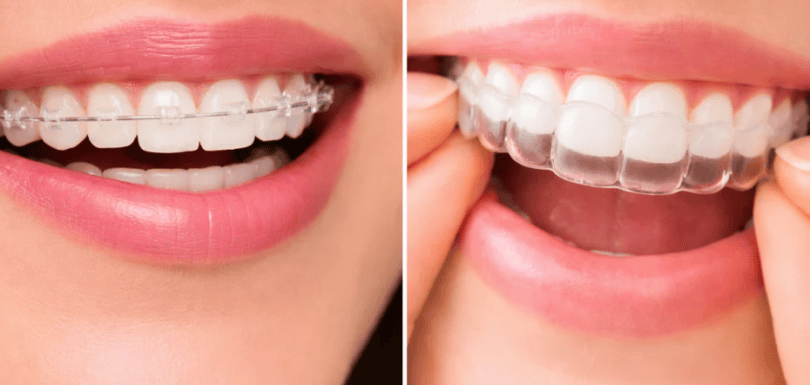
Have you ever wanted to straighten your teeth but hesitated because you did not want to wear noticeable metal braces? You are not alone. Many teenagers and adults delay orthodontic treatment simply because they worry about how traditional metal braces will look and affect their daily lives. The great news is that modern dentistry provides advanced solutions that make straightening your teeth comfortable, effective, and practically invisible. If you have been researching orthodontic treatments, you have likely come across both invisible braces and clear aligners. While people often use these terms interchangeably, they are not entirely the same. Understanding the differences will help you make the best choice for your smile. If you are considering treatment, consulting experienced professionals like the team at Boss Dental is a great first step. They can guide you toward the treatment plan that best aligns with your lifestyle and oral health needs. What Are Invisible Braces? Invisible braces is a broad term for orthodontic appliances designed to straighten teeth without the high-visibility look of traditional metal brackets. They offer a discreet way to correct alignment issues effectively. Depending on your specific dental needs, invisible braces may include: Each option has unique advantages, and your dentist will recommend the ideal approach based on your clinical evaluation. What Are Clear Aligners? Clear aligners are custom-crafted, transparent plastic trays designed to fit snugly over your teeth. Unlike traditional braces, they eliminate the need for fixed brackets and metal wires, using gentle, continuous pressure to shift your teeth into position over time. Key Differences: Invisible Braces vs. Clear Aligners Even though clear aligners fall under the category of invisible braces, not all invisible braces are clear aligners. Recognizing this distinction makes it much easier to discuss your preferences with your dentist. Advantages of Invisible Braces Invisible braces offer several advantages over traditional metal options: Advantages of Clear Aligners Clear aligners have surged in popularity due to the unmatched flexibility they offer: Which Option Delivers Faster Results? Treatment time varies from person to person. Key factors that influence your timeline include: While mild cases can be resolved in a few months, more complex orthodontic conditions may take longer. Rather than focusing solely on speed, choose the option that delivers the safest and most stable long-term result. Lifestyle Considerations Your daily routine plays a major role in deciding which option fits best: Maintaining Oral Hygiene During Treatment Maintaining healthy teeth and gums is essential throughout any orthodontic journey: Who Is an Ideal Candidate? Most teenagers and adults looking to improve their smile are good candidates for orthodontic treatment. You may qualify if you experience: A thorough clinical assessment by a dental professional is the best way to determine your eligibility. Why Professional Consultation Matters Every smile is unique, and two individuals with similar-looking teeth may require completely different treatment strategies. During a consultation, an experienced orthodontic team evaluates: If you are seeking personalized, high-quality care, Boss Dental provides comprehensive smile correction services using advanced digital technology and tailored treatment planning. Final Thoughts Choosing between invisible braces and clear aligners isn’t about deciding which treatment is universally better—it’s about selecting the option that best matches your clinical needs, routine, and personal preferences. Both methods offer discreet, effective paths toward achieving a healthy, confident smile. Schedule a consultation with a qualified professional today to take the first step toward transforming your smile.
Continue Reading