Have you ever wanted to straighten your teeth but hesitated because you did not want to wear noticeable metal braces? You are not alone. Many teenagers and adults delay orthodontic treatment simply because they worry about how traditional metal braces will look and affect their daily lives.
The great news is that modern dentistry provides advanced solutions that make straightening your teeth comfortable, effective, and practically invisible. If you have been researching orthodontic treatments, you have likely come across both invisible braces and clear aligners. While people often use these terms interchangeably, they are not entirely the same. Understanding the differences will help you make the best choice for your smile.
If you are considering treatment, consulting experienced professionals like the team at Boss Dental is a great first step. They can guide you toward the treatment plan that best aligns with your lifestyle and oral health needs.
What Are Invisible Braces?
Invisible braces is a broad term for orthodontic appliances designed to straighten teeth without the high-visibility look of traditional metal brackets. They offer a discreet way to correct alignment issues effectively.
Depending on your specific dental needs, invisible braces may include:
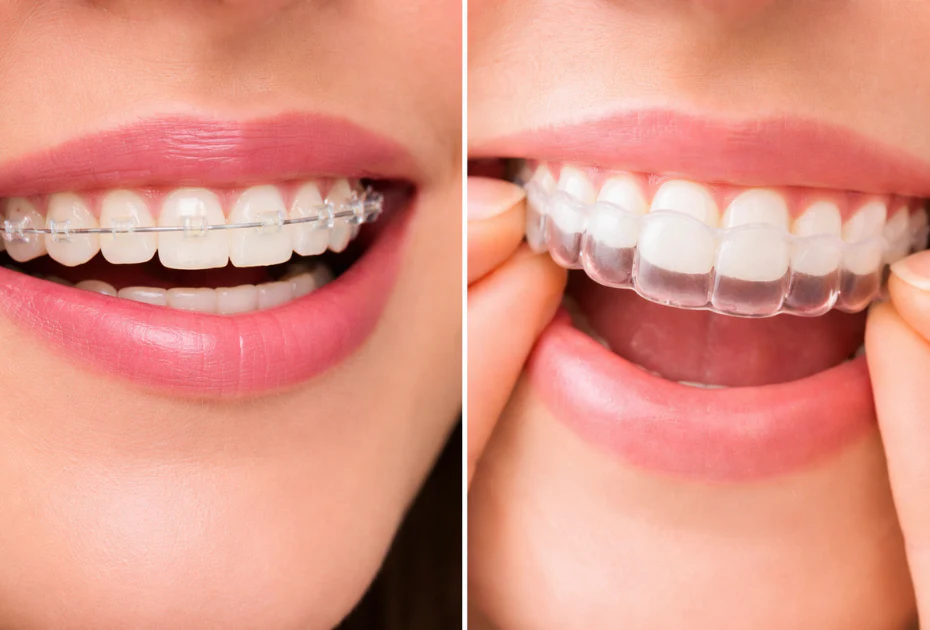
- Ceramic Braces: Tooth-colored or clear brackets that blend in with your natural teeth.
- Lingual Braces: Customized braces attached to the back (inside surface) of your teeth, hiding them completely from view.
- Clear Aligners: Removable, transparent trays custom-molded to your teeth.
Each option has unique advantages, and your dentist will recommend the ideal approach based on your clinical evaluation.
What Are Clear Aligners?
Clear aligners are custom-crafted, transparent plastic trays designed to fit snugly over your teeth. Unlike traditional braces, they eliminate the need for fixed brackets and metal wires, using gentle, continuous pressure to shift your teeth into position over time.
- Sequential Design: You typically replace your set of aligners every 1 to 2 weeks as your teeth gradually move.
- Custom Fit: Made using precise digital impressions, they are virtually unnoticeable during daily interactions.
- Removability: Aligners can be removed whenever you eat, drink, brush, or floss, making daily routines effortless.
Key Differences: Invisible Braces vs. Clear Aligners
Even though clear aligners fall under the category of invisible braces, not all invisible braces are clear aligners.
- Fixed vs. Removable: Options like ceramic or lingual braces remain fixed to your teeth throughout treatment. They use brackets designed to blend in or remain hidden.
- Trays vs. Brackets: Clear aligners rely strictly on removable plastic trays without any fixed wires or brackets attached to the surface.
Recognizing this distinction makes it much easier to discuss your preferences with your dentist.
Advantages of Invisible Braces
Invisible braces offer several advantages over traditional metal options:
- Enhanced Aesthetics: The subtle design ensures most people won’t even notice you are undergoing treatment, making them ideal for working professionals and image-conscious adults.
- Superior Comfort: Modern orthodontic materials feature smooth edges that significantly reduce cheek and gum irritation.
- Versatile Treatment Capability: They can effectively correct complex dental issues, including severe crowding, gaps, crooked teeth, and bite misalignments.
Advantages of Clear Aligners
Clear aligners have surged in popularity due to the unmatched flexibility they offer:
- Unrestricted Eating and Drinking: Since aligners are removable, you can take them out during meals and enjoy your favorite foods without restriction.
- Easier Oral Hygiene: You can brush and floss naturally without navigating around wires or brackets.
- Fewer Dental Visits: With no emergency wire adjustments or tightenings required, routine check-ups are generally shorter and less frequent.
Which Option Delivers Faster Results?
Treatment time varies from person to person. Key factors that influence your timeline include:
- The complexity of your alignment or bite issue
- Your age and overall dental health
- How consistently you adhere to your treatment plan
- Wearing your aligners for the recommended 20 to 22 hours per day
While mild cases can be resolved in a few months, more complex orthodontic conditions may take longer. Rather than focusing solely on speed, choose the option that delivers the safest and most stable long-term result.
Lifestyle Considerations
Your daily routine plays a major role in deciding which option fits best:
- Fixed Solutions: If you prefer a “set-it-and-forget-it” treatment where you don’t have to worry about misplacing removable trays, fixed invisible braces (such as ceramic or lingual braces) may be ideal.
- Removable Solutions: If you value flexibility for special events, photography, dining, or athletic activities, clear aligners offer convenience. However, they require strict discipline to wear continuously throughout the day.
Maintaining Oral Hygiene During Treatment
Maintaining healthy teeth and gums is essential throughout any orthodontic journey:
- With Fixed Invisible Braces: Extra care is needed to clean thoroughly around brackets and wires to prevent plaque accumulation and staining.
- With Clear Aligners: Routine cleaning is simpler because you remove the trays to brush and floss. However, you must regularly sanitize the aligner trays to keep them clear and odor-free.
Who Is an Ideal Candidate?
Most teenagers and adults looking to improve their smile are good candidates for orthodontic treatment. You may qualify if you experience:
- Mild to moderate crowding
- Gaps or uneven spacing between teeth
- Overbites, underbites, or crossbites
- Crooked or rotated teeth
A thorough clinical assessment by a dental professional is the best way to determine your eligibility.
Why Professional Consultation Matters
Every smile is unique, and two individuals with similar-looking teeth may require completely different treatment strategies.
During a consultation, an experienced orthodontic team evaluates:
- Dental alignment and jaw structure
- Bite function and occlusion
- Overall gum and bone health
- Personal lifestyle preferences and goals
If you are seeking personalized, high-quality care, Boss Dental provides comprehensive smile correction services using advanced digital technology and tailored treatment planning.
Final Thoughts
Choosing between invisible braces and clear aligners isn’t about deciding which treatment is universally better—it’s about selecting the option that best matches your clinical needs, routine, and personal preferences.
Both methods offer discreet, effective paths toward achieving a healthy, confident smile. Schedule a consultation with a qualified professional today to take the first step toward transforming your smile.