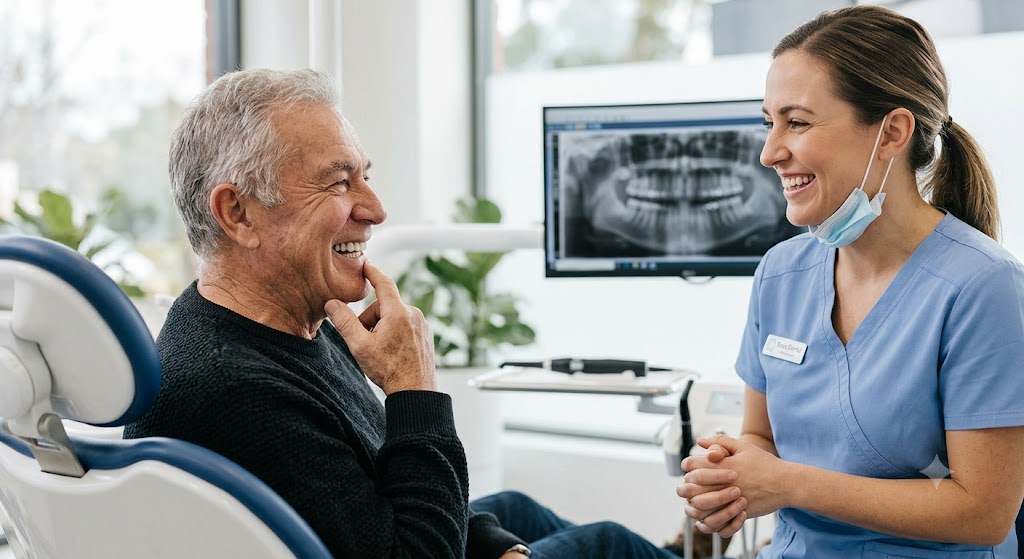
Have you ever looked at an old photo and noticed your smile used to look significantly brighter? You aren’t alone. Over time, everyday habits—like sipping morning coffee, enjoying a glass of red wine, or simply getting older—can leave teeth looking dull, yellow, or stained.
When searching for a brighter smile, you’ll encounter two main paths: DIY home remedies (from baking soda to charcoal) and professional dental whitening.
So, which path should you choose? Let’s break down how stains happen, what home remedies actually do, and why professional treatment remains the gold standard.
Why Do Teeth Become Stained in the First Place?
To choose the right whitening method, it helps to understand what kind of stain you are dealing with. Teeth generally suffer from two types of discoloration:
- Extrinsic Stains (Surface Level): These occur on the outer layer of the tooth enamel. They are primarily caused by dark foods, coffee, tea, wine, berries, and tobacco use. Because they rest on the surface, they are easier to lift with good daily oral care.
- Intrinsic Stains (Deep Level): These exist beneath the enamel within the inner structure of the tooth. They are often caused by aging, specific medications taken during childhood, or overexposure to fluoride. Removing these requires deep-penetrating agents rather than surface scrubbing.
Because not all stains are created equal, a DIY hack that removes light surface residue will do virtually nothing for deep, intrinsic discoloration.
The Truth About Popular Home Remedies
Home remedies are widely popular because they are cheap and easy to try. However, social media trends often exaggerate their effectiveness—and some can even harm your teeth.
1. Baking Soda
- How it works: Baking soda is a mildly abrasive powder that physically scrubs away surface buildup.
- The Verdict: It can polish off mild external stains, which is why it is a common ingredient in many toothpastes. However, using raw baking soda too frequently can wear down your protective enamel over time.
2. Activated Charcoal
- How it works: Advocates claim charcoal absorbs toxins and lifts surface stains through physical friction.
- The Verdict: There is no strong scientific evidence proving charcoal effectively whitens teeth. Worse, its gritty texture can be highly abrasive, permanently scratching enamel and eventually exposing the darker, yellowish dentin underneath.
3. Oil Pulling
- How it works: This involves swishing oils (like coconut oil) around the mouth to clear bacteria.
- The Verdict: While oil pulling can support overall oral hygiene and reduce plaque buildup, it does not alter the actual color or pigment of your teeth.
4. Over-the-Counter Whitening Strips & Pastes
- How it works: These products use low-concentration hydrogen peroxide or gentle abrasives.
- The Verdict: They are good for light maintenance, but the results are often subtle, uneven, and take weeks of consistent use to appear.
What Happens During Professional Whitening?
Professional teeth whitening is conducted or supervised directly by a dental team. Dentists use clinical-grade peroxide gels activated by specialized light or heat technology.
- Comprehensive Checkup: The dentist inspects your teeth and gums first to ensure you have no underlying cavities or gum disease that could cause complications.
- Targeted Protection: Your gums, lips, and cheeks are isolated using a protective barrier so the whitening agent contacts only your teeth.
- Controlled Application: A strong whitening gel is applied directly to the enamel, penetrating deep intrinsic layers to break up stubborn chemical bonds causing discoloration.
Most patients achieve a smile 3 to 8 shades brighter in just a single 60-minute in-office session.
Comparing Your Options: Speed, Safety, and Results
When weighing your choices, it comes down to four major factors:
- Method of Action: Home remedies rely on physical surface abrasion, while professional treatments use safe, deep chemical stain oxidation.
- Speed of Results: Home methods take weeks or months for minimal changes. Professional whitening delivers immediate, dramatic results—often in just one visit.
- Safety Level: DIY hacks carry a risk of enamel wear or gum irritation if overused. Professional treatments are controlled, customized, and supervised by a qualified dentist.
- Value: While home remedies seem cheaper initially, professional whitening offers much higher value because it works on both surface and deep stains safely.
Important Safety Considerations
While professional whitening is safe for most adults, it isn’t suitable for everyone:
- Sensitivity: Mild, temporary sensitivity to hot or cold is common after whitening, but it usually resolves within 24 to 48 hours.
- Dental Restorations: Whitening agents do not work on dental crowns, veneers, caps, or tooth-colored fillings. If you have visible dental work, your dentist can help plan a treatment so your overall smile looks uniform.
- Who Should Avoid It: Teeth whitening is generally not recommended for children, pregnant or nursing women, or individuals with severe gum recession.
The Bottom Line: Which Option Makes Sense?
If your goal is simple daily maintenance and removing light surface residue, a fluoride whitening toothpaste or occasional baking soda brush is fine.
However, if you want noticeable, safe, and long-lasting results, professional whitening is the clear winner. A dentist doesn’t just make your teeth look brighter—they ensure your enamel and gums remain healthy throughout the process.