
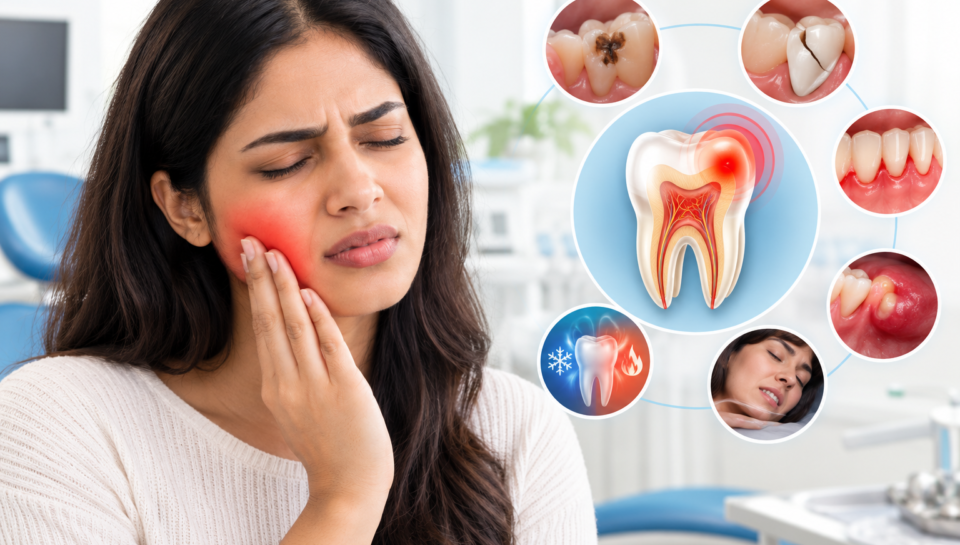
Have you ever felt a sharp, sudden pain in your tooth while eating, drinking, or even just sitting around? Tooth pain can catch you completely off guard and make simple daily tasks difficult to manage. While some minor discomfort may pass quickly, persistent or severe pain is often a signal that a more significant issue requires professional attention.
Understanding what causes tooth pain and recognizing key warning signs can help you take the right steps to protect your oral health and prevent small issues from becoming major dental problems.
What Causes Tooth Pain?
Tooth pain can stem from several distinct issues within the tooth structure, surrounding gums, or jaw. Identifying the underlying cause is the first step toward getting effective relief.
- Tooth Decay and Cavities
- Cause: Bacteria in the mouth produce acids that erode outer enamel, creating small holes known as cavities.
- Symptoms: Sharp or throbbing pain, especially when consuming sweet, hot, or cold foods and drinks. As decay reaches the inner nerve pulp, pain becomes more frequent and intense.
- Cracked or Broken Teeth
- Cause: Biting hard foods, facial trauma, or general wear can cause microscopic or visible fractures.
- Symptoms: Sharp pain when releasing bite pressure or chewing. Exposed inner layers increase sensitivity to temperature changes.
- Tooth Sensitivity
- Cause: Worn enamel or receding gums expose the underlying dentin, which contains microscopic tubes leading to the nerve.
- Symptoms: Brief, sharp flashes of pain triggered by temperature, sugar, or cold air.
- Gum Infection and Receding Gums
- Cause: Plaque buildup leads to inflammation (gingivitis or periodontitis) or pulls gum tissue away from tooth roots.
- Symptoms: Tender, swollen, or bleeding gums accompanied by aching discomfort around the affected teeth.
- Dental Abscess
- Cause: A bacterial infection that creates a pocket of pus at the root tip or in the gum tissue.
- Symptoms: Continuous, severe, throbbing pain that radiates to the jaw, ear, or neck. May be accompanied by facial swelling, fever, or a foul taste in the mouth.
- Teeth Grinding (Bruxism)
- Cause: Involuntary clenching or grinding of teeth, often during sleep or stress.
- Symptoms: Dull jaw ache, morning tooth soreness, worn enamel, and heightened sensitivity across multiple teeth.
When Should You See a Dentist?
While mild sensitivity may improve with specialized toothpaste, certain symptoms indicate that you need a professional evaluation:
- Pain that lasts longer than 1 to 2 days
- Severe discomfort when biting, chewing, or applying pressure
- Red, swollen, or bleeding gums around the painful area
- A visibly chipped, cracked, or loose tooth
- Discomfort that interferes with eating, sleeping, or concentrating
- Presence of fever, facial swelling, or a bad taste from draining pus
Urgent Warning: Seek immediate medical or emergency dental care if tooth pain is accompanied by swelling in your face, cheek, or neck, or If you are experiencing persistent tooth pain or discomfort, visit BOSS Dental, a best dental clinic, for a professional dental examination and appropriate treatment.
Managing Pain Before Your Appointment
While temporary measures cannot fix the root cause, these self-care steps can help manage discomfort until you reach the dental clinic:
- Rinse with warm salt water: Helps clear food debris and reduce minor inflammation.
- Avoid trigger temperatures: Steer clear of extremely hot, cold, sweet, or hard foods.
- Chew on the opposite side: Keep pressure off the affected tooth.
- Maintain gentle hygiene: Continue brushing and flossing gently around the area to keep it clean.
- Over-the-counter relief: Use pain relievers strictly as directed on the packaging if safe for you to take. Never place aspirin directly on the tooth or gums, as this causes chemical burns to oral tissue.
For more information about common causes of toothache, home care, and when to seek dental advice, read the NHS guide to toothache.
How Dentists Treat Tooth Pain
Treatment depends entirely on the source of the issue. A dentist will perform a visual examination and likely take X-rays to determine the precise diagnosis.
- Dental Fillings: Restores structure and seals out bacteria in teeth affected by cavities.
- Root Canal Therapy: Removes infected or inflamed pulp tissue from inside the tooth, saving the natural tooth structure.
- Dental Crowns: Fits over cracked or heavily restored teeth to prevent further breakage.
- Periodontal Care: Deep cleaning (scaling and root planing) to manage gum infections and restore tissue health.
- Extraction: Performed as a final option if a tooth is damaged beyond repair.
How to Prevent Tooth Discomfort
Maintaining a proactive oral hygiene routine is the most effective way to protect against tooth pain:
- Brush thoroughly twice a day with fluoride toothpaste.
- Floss daily to remove plaque and food particles between teeth.
- Limit frequent snacking on sugary or acidic foods and drinks.
- Avoid using teeth as tools to open packages or chewing on hard objects like ice.
- Wear a custom nightguard if you tend to grind your teeth.
- Schedule regular dental checkups and cleanings to catch minor issues before they cause pain.
Conclusion
Sudden tooth pain is your body’s signal that something requires attention. Whether caused by a simple cavity, a hidden crack, or a severe infection like an abscess, ignoring discomfort often allows minor, easily treatable issues to develop into far more serious conditions.
While temporary home care can help manage symptoms in the short term, only a dentist can identify and treat the underlying cause. By prioritizing consistent daily hygiene, avoiding bad habits like chewing hard objects, and scheduling regular checkups, you can protect your smile and prevent future toothaches. If you are currently experiencing tooth pain, do not wait—contact a dental professional to restore your comfort and protect your long-term health.