

priya.arunchandar@gmail.com

  • Home
  • Author: priya.arunchandar@gmail.com

Understanding Tooth Pain: Common Causes, Treatment, and When to See a Dentist

Have you ever felt a sharp, sudden pain in your tooth while eating, drinking, or even just sitting around? Tooth pain can catch you completely off guard and make simple daily tasks difficult to manage. While some minor discomfort may pass quickly, persistent or severe pain is often a signal that a more significant issue requires professional attention. Understanding what causes tooth pain and recognizing key warning signs can help you take the right steps to protect your oral health and prevent small issues from becoming major dental problems. What Causes Tooth Pain? Tooth pain can stem from several distinct issues within the tooth structure, surrounding gums, or jaw. Identifying the underlying cause is the first step toward getting effective relief. When Should You See a Dentist? While mild sensitivity may improve with specialized toothpaste, certain symptoms indicate that you need a professional evaluation: Urgent Warning: Seek immediate medical or emergency dental care if tooth pain is accompanied by swelling in your face, cheek, or neck, or If you are experiencing persistent tooth pain or discomfort, visit BOSS Dental, a best dental clinic, for a professional dental examination and appropriate treatment.  Managing Pain Before Your Appointment While temporary measures cannot fix the root cause, these self-care steps can help manage discomfort until you reach the dental clinic: For more information about common causes of toothache, home care, and when to seek dental advice, read the NHS guide to toothache.  How Dentists Treat Tooth Pain Treatment depends entirely on the source of the issue. A dentist will perform a visual examination and likely take X-rays to determine the precise diagnosis. How to Prevent Tooth Discomfort Maintaining a proactive oral hygiene routine is the most effective way to protect against tooth pain: Conclusion Sudden tooth pain is your body’s signal that something requires attention. Whether caused by a simple cavity, a hidden crack, or a severe infection like an abscess, ignoring discomfort often allows minor, easily treatable issues to develop into far more serious conditions. While temporary home care can help manage symptoms in the short term, only a dentist can identify and treat the underlying cause. By prioritizing consistent daily hygiene, avoiding bad habits like chewing hard objects, and scheduling regular checkups, you can protect your smile and prevent future toothaches. If you are currently experiencing tooth pain, do not wait—contact a dental professional to restore your comfort and protect your long-term health.
Continue Reading

How to Recognise the Signs of Gum Disease

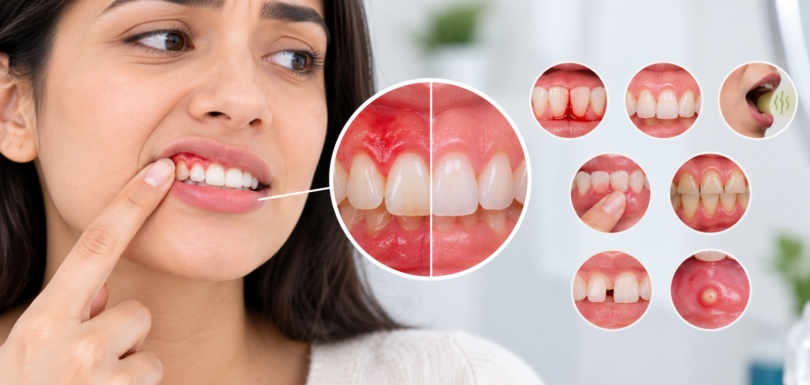
Have you noticed your gums bleeding when you brush? Do you have bad breath that won’t go away? Maybe your gums feel tender or look swollen. These signs might seem small at first, but they can be early warnings of gum disease. Many people don’t pay attention because gum disease often does not cause pain in the beginning. However, catching it early can make a big difference. Recognising the signs of gum disease helps you get help before it gets worse. Gum disease affects the tissues that hold your teeth in place. If you do not treat it, it can cause your gums to pull away, make your teeth loose, or even lead to tooth loss. Knowing what to look for and keeping your mouth clean can keep your gums strong and your smile healthy. What Is Gum Disease? Gum disease, also known as periodontal disease, is an infection or inflammation of the gums around your teeth. It starts when plaque—a sticky film of bacteria—builds up along the gumline. This plaque can irritate the gums and cause them to become red and sore. 7 Early Signs of Gum Disease You Should Not Ignore 1. Bleeding Gums While Brushing One of the most common early signs is bleeding when you brush or floss. You might see blood on your toothbrush or on the tissue when you spit. 2. Red or Swollen Gums Healthy gums are usually pale pink and firm. If your gums look redder than usual, feel puffy, or appear swollen, this indicates inflammation. 3. Persistent Bad Breath Bad breath (halitosis) that stays even after brushing, flossing, and cleaning your tongue can be a sign of bacteria living around your teeth and gums. 4. Gums That Feel Tender or Uncomfortable Do your gums feel sore when you brush, floss, or eat certain foods? Tenderness occurs when the gum tissue becomes inflamed. 5. Gums Pulling Away From the Teeth (Recession) Have your teeth started to look longer than before? This can happen when your gums recede and expose more of the tooth surface. 6. Changes in the Space Between Your Teeth Have you noticed new gaps between your teeth or a change in how your teeth fit together when you bite down? 7. Pus or Persistent Gum Swelling If you see pus near the gumline, a gum boil, or a lump that keeps coming back, this could mean an active infection or abscess. What Causes Gum Disease? Knowing the primary causes can help you prevent gum issues before they start. While gum disease is mainly caused by plaque buildup, several other factors can raise your risk: How Can You Prevent Gum Disease? Taking care of your gums every day can significantly lower your risk. Here are some simple steps to follow: If you notice any signs of gum disease, don’t wait. Getting help early can stop the problem before it gets worse. When Should You Visit a Dentist? Make an appointment with your dentist if you experience: During your visit, your dentist will evaluate your gums, check for plaque and tartar buildup under the gumline, and assess how your teeth fit together. Depending on the issue, treatment might include a deep cleaning (scaling and root planing), improved brushing techniques, or specialized periodontal care. Resources for Further Reading: Final Thoughts Recognising the signs of gum disease is a key step in keeping your teeth and gums healthy for a lifetime. Bleeding, redness, swelling, bad breath, and structural changes in your gums can all be early warnings of a problem. While these symptoms can have various causes, ignoring them allows the disease to progress.Brush your teeth twice a day, floss daily, avoid tobacco, and visit your dentist regularly. These simple habits keep your gums strong and your smile bright. If you see signs of trouble, consult a dental professional—early care prevents serious problems and protects your healthy smile for many years to come!
Continue Reading

Who Needs Full Mouth Rehabilitation? Complete Treatment Guide

Do you find it difficult to chew your favourite foods, or have you been dealing with dental problems for years? Missing teeth, worn enamel, broken teeth and old dental work can affect your everyday comfort, not just your smile. When several problems occur together, fixing one tooth at a time may not be enough. Full Mouth Rehabilitation brings different dental treatments together in a planned way to improve chewing, comfort and the appearance of your teeth. If dental issues are affecting your daily life, understanding this treatment can help you decide whether to speak with your dentist about it. What Is Full Mouth Rehabilitation? Full Mouth Rehabilitation is a personalised treatment plan that addresses multiple problems affecting the teeth, gums and bite. It is not a single procedure. Depending on your dental condition, your dentist may recommend crowns, bridges, dental implants, root canal treatment, gum care or dentures. The goal is to help your teeth function properly while improving the appearance of your smile. The treatment plan depends on your oral health, the condition of your existing teeth and your individual needs. Who Needs Full Mouth Rehabilitation? You may need a detailed dental assessment if you are experiencing one or more of these problems. 1. Multiple Missing Teeth Missing several teeth can make chewing difficult and sometimes affect speech. The teeth next to an empty space may also shift over time. Depending on your gum health and jawbone condition, your dentist may recommend implants, bridges or dentures to replace the missing teeth. 2. Worn or Broken Teeth Frequent teeth grinding, acid erosion and accidental injuries can gradually wear down or damage your teeth. You may notice sensitivity, rough edges or discomfort while biting. Crowns and other restorations may help protect teeth that can still be saved. 3. Extensive Tooth Decay When decay affects several teeth, ordinary fillings may not be enough. Some teeth may need root canal treatment followed by crowns, while teeth that cannot be restored may need extraction. Full Mouth Rehabilitation helps organise these procedures into a suitable treatment plan. 4. Gum Disease and Loose Teeth Gum disease can damage the tissues and bone that support your teeth. Bleeding gums, persistent bad breath and loose teeth should not be ignored. Your dentist may recommend gum treatment before starting restorative procedures, depending on the severity of the problem. 5. Bite Problems and Jaw Discomfort Missing, damaged or badly worn teeth can affect how your upper and lower teeth meet. This may cause uneven chewing or discomfort. Jaw pain can have several causes, so a proper examination is necessary before deciding on treatment. What Treatments May Be Included? The procedures depend on the problems found during your examination. A treatment plan may include: Not everyone needs all these treatments. Your dentist will recommend the procedures that best suit your condition. How Does the Treatment Process Work? Step 1: Dental Examination Your dentist checks your teeth, gums, bite and jaw. X-rays or other scans may be needed to identify problems that are not visible during a routine examination. Step 2: Planning Your Treatment The dentist explains which teeth can be saved, which need repair and whether any teeth require replacement. This is also the right time to discuss the expected duration, cost and alternatives. Step 3: Treating Existing Problems Decay, gum disease and infections may need attention before restorative work begins. Treating these problems first helps provide a healthier foundation for further treatment. Step 4: Restoring Your Teeth Crowns, bridges, implants or other restorations are completed according to the plan. Depending on the procedures involved, you may need several appointments and time for healing. Step 5: Follow-Up Care After Full Mouth Rehabilitation, regular dental check-ups, careful brushing and cleaning between your teeth help maintain your results. Your dentist may also recommend a night guard if you grind your teeth. How Long Does Full Mouth Rehabilitation Take? The treatment timeline depends on the number of teeth involved and the procedures required. Some restorative work may be completed within a few weeks, while more complex cases involving implants or healing periods can take several months. Your dentist can provide a realistic estimate after examining your teeth and gums. You can visit BOSS Dental to learn about the clinic and enquire about suitable dental care options. For additional guidance on oral health, the American Dental Association’s MouthHealthy website offers information about caring for your teeth and gums. Is Full Mouth Rehabilitation Right for You? You do not need to have every tooth damaged to seek advice about Full Mouth Rehabilitation. It may be considered when several dental problems need to be managed together rather than through one simple filling or crown. A dental examination will help determine whether you need a comprehensive plan or only a few specific treatments. If missing teeth, damaged enamel or chewing difficulties are affecting your everyday life, arrange a dental consultation. Full Mouth Rehabilitation may help improve chewing comfort and restore the appearance of your smile when the treatment is planned around your needs. Ask your dentist about the available options, costs and aftercare so you can choose the right approach for your oral health.
Continue Reading

Is Dental X-Ray Scanning Safe?

Hearing that you need an X-ray at the dentist can make you wonder about radiation and whether the scan is really necessary. The good news is that modern dental X-rays use small amounts of radiation, and dentists recommend them when they have a clear reason to check something that cannot be seen during a normal examination. Dental x ray scanning can help your dentist find hidden decay, infections, bone changes, or problems around the roots of your teeth. The scan is usually quick and painless, and the information it provides can help your dentist understand what is happening inside your mouth and plan the right treatment. What Is Dental X-Ray Scanning? Dental x ray scanning is a way of creating images of your teeth, roots, jawbone, and surrounding structures. Depending on what your dentist needs to check, you may have an intraoral X-ray or another type of dental image. At BOSS Dental, digital X-rays and advanced 3D imaging such as CBCT are available to support diagnosis and treatment planning. A dentist may recommend an X-ray when a problem cannot be properly seen by simply looking inside your mouth. Why Is Dental X-Ray Scanning Needed? Your teeth can look perfectly fine on the outside while a problem is developing underneath. Dental x ray scanning can help your dentist identify concerns such as cavities, infections, bone loss, damaged roots, or problems following an injury. It may also be useful before certain treatments. For example, your dentist may need an image before a root canal, extraction, dental implant, or orthodontic treatment. The American Dental Association recommends that dental X-rays should be based on individual patient needs rather than being taken automatically at every visit. Is Dental X-Ray Scanning Safe? For most patients, dental X-rays are considered safe when they are used appropriately. The amount of radiation involved in dental imaging is low, and dentists follow safety practices to keep unnecessary exposure as low as reasonably achievable. The main point is not to avoid every X-ray. Instead, an X-ray should be taken when the information it provides can actually help with your care. Modern digital imaging can also provide useful images quickly, helping your dentist understand your condition and make a more informed treatment decision. How Does Dental X-Ray Scanning Work? The process is usually much easier than people expect. Depending on the type of image needed, you may sit or stand while the dental team positions a small sensor or imaging device. You may be asked to bite gently on a small holder while the image is captured. The process normally takes only a short time, and there is no cutting or injection involved. At BOSS Dental, the dental radiology process includes positioning the patient, capturing the image, reviewing it, and using the findings to help plan suitable treatment. Does Dental X-Ray Scanning Hurt? No. Dental x ray scanning itself is not painful. You may feel some pressure when the sensor is positioned inside your mouth, especially if your teeth or gums are already sensitive. If you have a strong gag reflex or feel nervous about X-rays, tell your dental team before the procedure. They can help you get into a comfortable position and explain each step before taking the image. How Often Do You Need Dental X-Rays? There is no fixed schedule that works for everyone. Your dentist considers factors such as your age, oral health, symptoms, history of dental problems, and whether previous images are available. Someone with a healthy mouth may not need X-rays as frequently as someone with repeated cavities, gum problems, tooth pain, or other concerns. The ADA’s current recommendations emphasise a clinical examination and individual patient needs before deciding whether dental imaging is necessary. What About Children and Pregnant Patients? If you are pregnant or think you may be pregnant, tell your dentist before any X-ray is taken. Your dental team can consider your situation and decide whether imaging is needed. Children also require individual consideration. Dentists should avoid unnecessary exposure and use imaging only when it can provide useful information for the child’s care. What Can Your Dentist See From an X-Ray? An X-ray can reveal problems that are difficult or impossible to see during a regular visual examination. Depending on the type of image, it may help identify decay between teeth, changes around tooth roots, bone loss, impacted teeth, infections, or areas that need closer attention. This type of imaging can therefore be an important part of diagnosis, especially when your symptoms do not tell the whole story. The Takeaway Dental x ray scanning is generally considered safe when it is recommended for a clear clinical reason and performed using appropriate safety measures. It can give your dentist useful information about areas that cannot be seen during a routine examination. You do not need to be afraid of an X-ray simply because it uses radiation, but X-rays should not be taken unnecessarily either. If your dentist recommends one, ask what they are looking for and how the image will help with your treatment. Understanding the reason behind the scan can make the experience feel much easier and help you feel more confident about your dental care.
Continue Reading

Tooth Fillings: Types, Benefits and Aftercare Tips

A small cavity may not seem like a serious problem at first. You might notice a little sensitivity when eating something cold or sweet, or perhaps your dentist has pointed out a small area of decay during a check-up. Leaving it untreated can allow the damaged area to become larger and affect more of the tooth. A tooth filling is one of the common ways dentists repair a tooth affected by decay or minor damage. The procedure removes the damaged portion and fills the space with a suitable material. Understanding the available options, benefits, and aftercare can help you feel more comfortable before your dental appointment. Understanding Tooth Filling Options and Their Benefits What Is a Tooth Filling? A tooth filling is a dental procedure used to repair a tooth affected by decay, minor cracks, or other small areas of damage. During the procedure, the dentist removes the damaged portion and cleans the area before placing a filling material. The filling restores the shape of the tooth and helps protect the affected area from further damage. The material used depends on factors such as the location of the tooth, the size of the cavity, appearance, and your individual dental needs. What Are the Different Types of Tooth Fillings? There are several filling materials available, and each has its own characteristics. Composite fillings:Composite resin is tooth-coloured and can be matched closely to the natural shade of your teeth. It is commonly used when appearance is an important consideration. Amalgam fillings:Amalgam is a durable material that has been used in dentistry for many years. It has a silver appearance and may be suitable for certain back teeth where chewing forces are higher. Ceramic fillings:Ceramic materials can provide a natural-looking appearance and may be used for larger restorations in some cases. Gold fillings:Gold is strong and durable but is less commonly chosen because of its appearance and higher cost compared with some other materials. Your dentist can explain which material is suitable based on the condition and location of the affected tooth. When Do You Need a Tooth Filling? A tooth filling may be recommended when a cavity has damaged the tooth but the remaining structure is still strong enough to be restored. Common signs of a cavity can include tooth sensitivity, pain when eating or drinking, visible holes or dark areas, food getting stuck between teeth, or discomfort when biting. However, cavities do not always cause noticeable symptoms. That is why regular dental check-ups matter. A dentist may identify early decay before it becomes painful or requires more extensive treatment. What Are the Benefits of Tooth Fillings? One of the main benefits of a tooth filling is that it allows the dentist to remove decay while preserving as much of the natural tooth as possible. A filling can also restore the tooth’s shape and function, making it easier to bite and chew comfortably. Depending on the material selected, the restoration can also blend naturally with the surrounding teeth. Early treatment may help prevent a small cavity from progressing into a deeper infection that could require more complex dental treatment. What Happens During the Procedure? Before placing a tooth filling, the dentist examines the affected tooth and determines the extent of the decay. Local anaesthesia may be used to keep you comfortable during the procedure. The dentist then removes the decayed portion, cleans the area, and places the chosen filling material. Composite fillings are generally applied in layers and hardened using a special light. The dentist then shapes and polishes the restoration so that your bite feels comfortable. The exact procedure can vary depending on the material and condition of the tooth. What Should You Do After a Tooth Filling? Some people experience mild sensitivity or tenderness after a tooth filling, particularly during the first few days. This usually settles with time. Follow your dentist’s specific instructions after the procedure. If you received local anaesthesia, be careful while eating until the numbness has completely worn off. Continue brushing twice a day with fluoride toothpaste and cleaning between your teeth regularly. Avoid biting extremely hard foods with a newly restored tooth until you feel comfortable. If sensitivity continues, becomes severe, or your bite feels uneven, contact your dentist for an assessment. How Long Can a Filling Last? The lifespan of a tooth filling depends on the material used, the size and location of the restoration, your oral hygiene, and the amount of pressure placed on the tooth. Good brushing, regular flossing, limiting frequent sugary snacks, and attending dental check-ups can help protect both your fillings and your natural teeth. Fillings can eventually wear down, crack, or develop problems around their edges. Regular dental examinations allow your dentist to check existing restorations and identify problems early. When Should You Visit a Dentist? If you notice tooth pain, sensitivity, a visible hole, a broken tooth, or food repeatedly getting trapped in one area, do not wait for the problem to become severe. The American Dental Association recommends regular dental visits as part of maintaining good oral health. American Dental Association – Mouth Healthy If you need a tooth filling or have noticed possible signs of decay, you can also explore dental care options at BOSS Dental in Coimbatore. Final Thoughts on Tooth Filling A tooth filling can help restore a damaged tooth while preserving its natural structure. Choosing the right material depends on the tooth’s location, the amount of damage, appearance, and your dentist’s recommendation. Taking care of your teeth after treatment is equally important. Brush regularly, clean between your teeth, limit frequent sugary foods and drinks, and attend routine dental check-ups. If you notice sensitivity, pain, or a visible cavity, getting it checked early can make treatment simpler. If you are considering a tooth filling, a dental examination can help determine whether a filling is suitable or whether another treatment would be more appropriate for your tooth.
Continue Reading